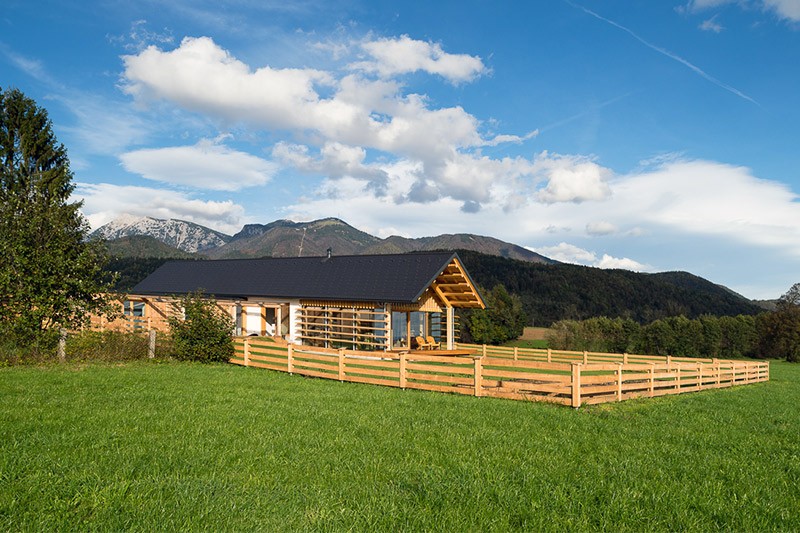
Wooden holiday homes are becoming an increasingly popular choice among investors looking for a high-quality retreat in nature, a functional additional building or even a space for year-round living. Modern timber frame construction now offers far more possibilities than it once did. It is no longer limited to small weekend homes on flat plots but instead encompasses thoughtfully designed buildings tailored to different terrains, architectural preferences and lifestyles.
One of the greatest advantages of timber construction is its adaptability. Wooden holiday homes can be seamlessly integrated into forest settings, hillside plots, lakeside locations or sites with limited accessibility, where conventional construction would be more demanding and expensive. In addition, wood as a natural material creates a pleasant indoor climate and an aesthetic connection with the surrounding environment.
Why Are Wooden Vacation Homes Suitable for Different Types of Terrain
Modern wooden vacation homes are significantly more adaptable than many conventional forms of construction thanks to their structural design. Timber frame construction places less load on the ground, which is particularly important on more challenging terrains where the weight of the building can affect foundation costs and the overall execution of the project.
The speed of assembly is another advantage, especially when building on uneven or steep terrain. Since a large portion of the structure is manufactured in a controlled production environment, the on-site process is faster, more precise and less dependent on weather conditions. This is especially beneficial in locations with limited access or where investors want to minimize their impact on the natural surroundings.
Wooden holiday cottages also blend beautifully into their surroundings from a visual perspective. Wood has a natural, warm appearance that harmonises with forest and mountain settings, making these buildings feel less intrusive than traditional masonry houses.
Among the advantages of modern timber construction, the following stand out in particular:
- adaptability to different terrain configurations,
- faster construction timelines,
- lower structural weight,
- strong energy efficiency,
- a comfortable indoor climate throughout the year.
This is precisely why wooden weekend retreats are an excellent solution not only for smaller weekend getaways but also for contemporary holiday properties built to a higher standard.
Building on Steep Terrain: Challenges and Innovative Solutions
Building on steep or uneven plots requires a well-considered approach from the earliest planning stages. It is important to adapt the foundations correctly, ensure suitable access to the building, optimise the orientation of interior spaces and determine the best way to integrate the structure into the terrain.
Modern wooden holiday homes allow for a variety of architectural solutions that can turn the characteristics of the site into an advantage. Instead of extensive excavation work and aggressive interventions in the landscape, designers increasingly opt for terraced concepts, elevated structures or multi-level floor plans that follow the natural contours of the land.
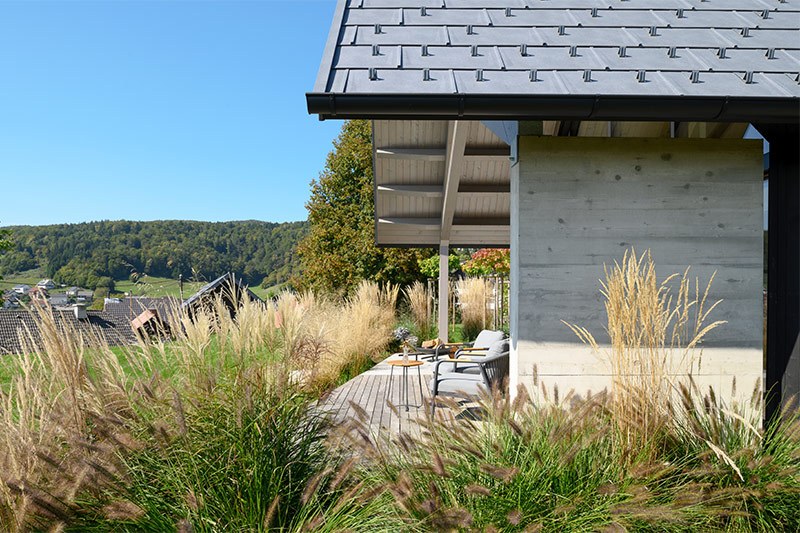
The orientation of the building is equally important. On hillside plots, a well-designed layout can create open views of the surrounding landscape while also improving the amount of natural light entering the interior. Large glazed surfaces combined with timber structures create a sense of openness and strengthen the connection between the home and its environment.
The lower weight of timber structures is another advantage that becomes particularly evident on more demanding terrains. It enables more efficient structural solutions and can reduce the extent of construction work required, which may also have a positive impact on the overall cost of the project.
A Wooden Vacation Home by the Forest, Lake or in the Hills
The location has a significant impact on the design of a weekend property. A wooden holiday home set beside a forest has different requirements from a building on an open plot or near a body of water. It is important to consider weather conditions, the amount of sunlight, protection against moisture and the way the building is ventilated.
In recent years, modern wooden vacation homes featuring large panoramic windows, open-plan living areas and covered terraces have become increasingly popular. This type of design creates a stronger connection between the interior and its surroundings while allowing more natural light to enter the space.
For properties located in natural settings, selecting suitable materials and construction details is equally important. High-quality timber protection, well-executed structural connections and a carefully designed façade contribute to a longer lifespan and lower maintenance requirements.
Today’s wooden weekend retreats are no longer intended solely for occasional getaways. An increasing number of investors use them for year-round living, remote work or short-term tourist rentals.
Contemporary Architectural Solutions for Maximum Comfort
The architecture of modern wooden holiday homes is based on functionality, open spaces and the efficient use of available floor area. Even smaller buildings can provide an exceptionally comfortable living experience when thoughtfully designed.
Today, many investors choose features such as:
- open-plan living areas,
- integrated kitchen, dining and living spaces,
- high ceilings,
- mezzanine levels,
- large glazed surfaces,
- covered outdoor terraces.
Innovative design solutions create a greater sense of spaciousness and enhance everyday comfort. In smaller wooden holiday cottages, efficient space planning is particularly important, as a well-considered layout can significantly increase the usability of the property.
Modern timber frame structures also offer a high degree of architectural freedom. The building can be tailored to the size of the plot, its orientation, the surrounding views and the investor’s individual preferences.
The Price of a Wooden Holiday Home: What Influences the Cost
When researching wooden holiday cottages, investors are often interested in the price list and the overall cost of the project. However, it is impossible to provide a precise answer without a specific project, as the final price depends on several factors.
The main factors influencing the price of a wooden holiday home include:
- the size of the building,
- the complexity of the terrain,
- the accessibility of the plot,
- the materials selected,
- the level of completion,
- the architectural complexity of the project.
As a result, there is no standard pricing structure for wooden vacation homes, as costs primarily depend on the investor’s individual requirements and preferences. Another important consideration is the choice between a basic construction package and a turnkey solution.
On more demanding terrains, additional costs may arise from foundation work, access preparation and specialized structural solutions. On the other hand, the lower weight of timber structures and their faster construction process can make timber construction a more practical and cost-effective choice than conventional building methods in many situations.
Why Is a Turnkey Weekend Home Becoming an Increasingly Popular Choice
More and more investors are opting for a turnkey weekend home solution, as this approach ensures a more transparent and well-organized project process.
The main advantages of choosing a turnkey wooden holiday cottage include:
- a single contractor responsible for the entire project,
- better coordination of the construction schedule,
- less organizational work for the investor,
- greater cost transparency,
- faster project completion.
Coordinating multiple contractors during the construction of a weekend property can be particularly challenging, especially on sites with limited accessibility. This is why many investors seek a solution in which one contractor manages the entire process, from planning to final execution. A turnkey approach reduces the risk of complications and provides investors with a more worry-free building experience.
A Wooden Holiday Home as an Investment in Quality of Life
Modern wooden holiday homes are no longer just places for the occasional escape from the city. For many, they represent a long-term investment in a better quality of life, a closer connection with nature and a more peaceful living environment.
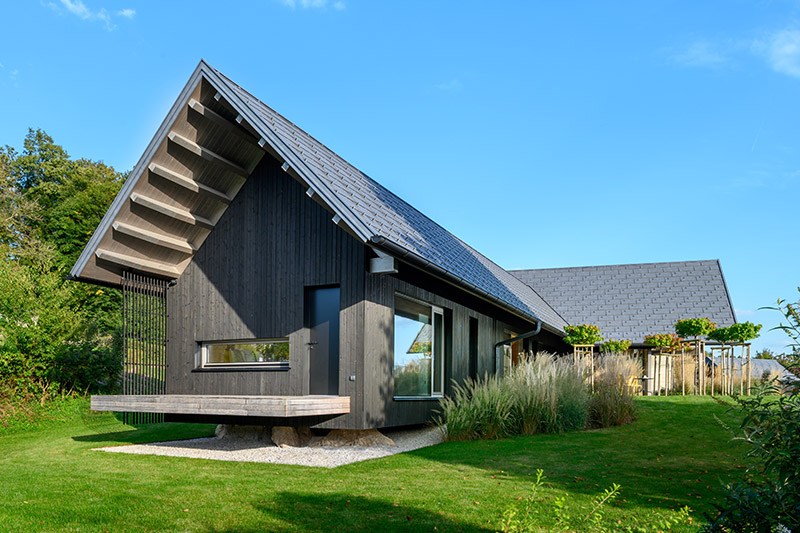
Wood as a material creates a comfortable indoor climate, helps regulate humidity and contributes to a natural sense of warmth. In addition, modern timber frame construction delivers excellent energy efficiency, resulting in lower heating costs and comfortable living throughout the year.
Many investors also use wooden weekend retreats as tourist accommodation, as guests increasingly seek authentic experiences, quieter locations and natural materials. A well-designed wooden holiday home therefore offers a combination of personal enjoyment, practical living and lasting value.
Bauta: Thoughtful Solutions for Modern Weekend Homes
At Bauta, we approach the design of wooden holiday homes by taking into account the specific location, the investor’s wishes and the characteristics of the terrain. Every project requires an individual approach, as user needs, plot configurations and architectural possibilities vary from one case to another.
Modern timber frame construction offers extensive flexibility in the design of a wooden holiday home, the selection of materials and the organization of space. This allows us to create solutions that combine functionality, aesthetic appeal and comfortable living in a natural environment.
Whether it involves smaller wooden vacation homes or larger weekend properties designed for year-round use, the goal remains the same: to create a thoughtfully designed, durable and comfortable space for relaxation and high-quality living.