Smart homes have become synonymous with modern living in recent years. More and more homeowners are choosing them because they want a more comfortable, safer and more energy-efficient home. Today, advanced smart systems automate many everyday tasks, from heating and lighting to home security, helping homeowners save time, energy and often money.
When planning a modern timber house, it also makes sense to consider smart home solutions. Timber frame construction makes it easy to plan smart home installations during the design phase, allowing different systems to be integrated into one complete and efficient smart home. But which solutions are truly worth the investment?
What Is a Smart Home?
A smart home is a house where different devices and systems are connected, enabling automated operation and remote control. Using a mobile app on a smartphone or tablet, homeowners can manage heating, lighting, blinds, ventilation, security systems and many other features. The goal of a smart home system is to simplify everyday tasks while improving comfort, safety and energy efficiency.
The essence of a smart home is not having as much technology as possible but ensuring that technology works quietly in the background and adapts to the lifestyle of the people living in the home. For example, the system can automatically adjust the temperature in each room, lower the blinds during intense sunlight, switch on outdoor lighting at dusk or alert the homeowner to smoke, water leaks or other hazards. Tasks that would otherwise have to be performed manually are handled automatically.
Smart homes are no longer reserved for luxury or high-tech properties, as many solutions have become more affordable. That is why it is worth considering them during the planning stage of your home. This makes it much easier to integrate different systems into one comprehensive solution that can also meet your future needs.
1. Smart Heating
Heating is one of the largest household expenses, making intelligent temperature control one of the most valuable features of a modern smart home. The system automatically adjusts heating according to your daily routine and lifestyle while reducing unnecessary energy consumption.
Smart heating offers the following benefits:
- different temperature settings for individual rooms,
- automatic heating adjustment based on a schedule,
- remote temperature control via a mobile app,
- lower energy consumption and reduced heating costs,
- greater comfort throughout the year.
In a modern timber house, which already provides excellent thermal insulation, smart heating can further improve energy efficiency. As a result, your home is warm and comfortable when you arrive while avoiding unnecessary energy consumption when nobody is at home.
2. Smart Cooling
As summer heatwaves become increasingly common, efficient cooling has become an essential part of the modern home. Smart air conditioning systems automatically adjust the temperature based on outdoor conditions, the presence of occupants or pre-set schedules.
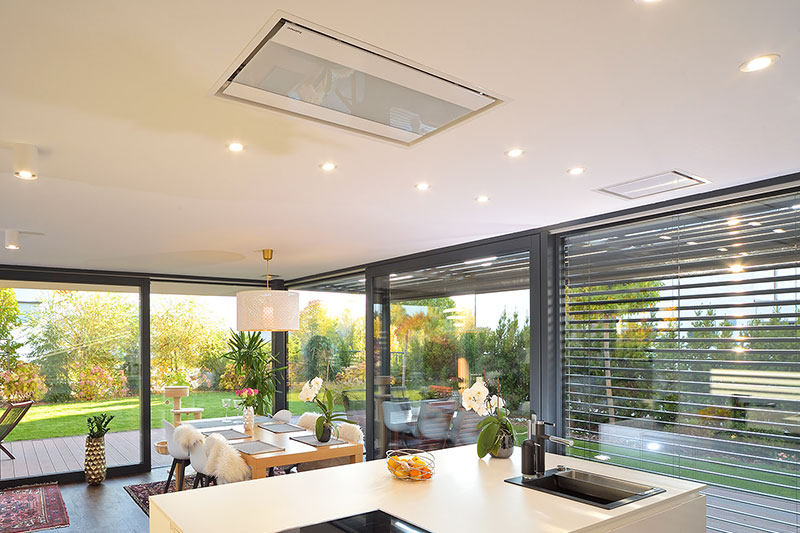
Another major advantage is the ability to control the system remotely. This allows you to cool your home before you arrive while ensuring the system operates efficiently and only when needed during your absence. When cooling is integrated with smart blinds and other smart home systems, it becomes even more efficient.
3. Smart Blinds
Smart blinds are not only designed to improve comfort but also play an important role in the energy efficiency of your home. The system automatically adjusts their position according to sunlight, outdoor temperature or pre-set schedules.
The main benefits of smart blinds include:
- preventing rooms from overheating during summer,
- making better use of solar heat during winter,
- greater privacy without manual operation,
- automatic adjustment to changing weather conditions,
- simulating occupancy while you are away.
4. Smart Ventilation
Good indoor air quality has a significant impact on the health and wellbeing of the people living in a home. That is why modern homes increasingly use mechanical ventilation with heat recovery (MVHR), which provides a continuous supply of fresh air while minimising heat loss.
Smart systems can monitor carbon dioxide levels, humidity and temperature while automatically adjusting the ventilation system according to actual indoor conditions. Some advanced solutions can also automatically open roof or façade windows and close them when it starts to rain, further improving living comfort.
5. Smart Lighting
Smart lighting allows you to adjust lighting according to the time of day, your activities or whether anyone is in the room. Lights can switch on automatically when you arrive home and provide gentle illumination in hallways or staircases during the night.
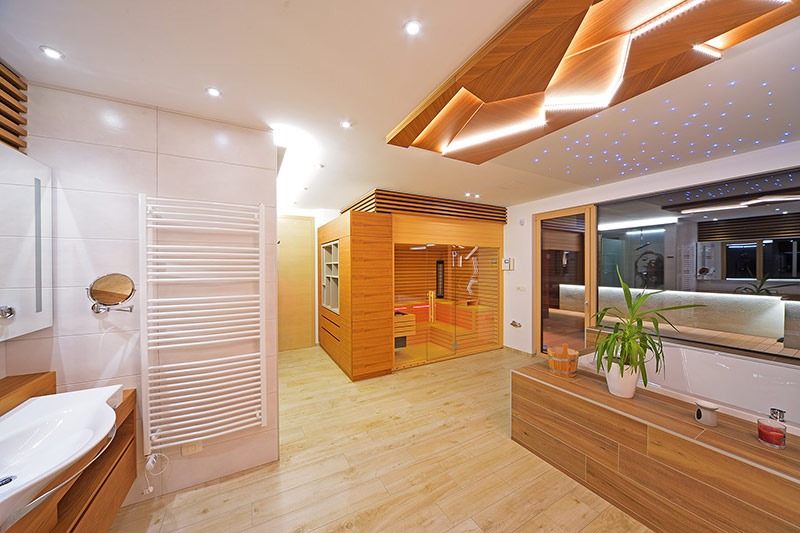
With different pre-set scenarios, you can create the perfect atmosphere with a single tap for relaxing in the evening, watching a film or entertaining guests. In addition to improving comfort, such a system also reduces electricity consumption by ensuring lights are not left on unnecessarily.
6. Smart Security Systems
Security is one of the main reasons why homeowners choose a smart home. Modern systems allow you to monitor your home in real time and provide instant notifications whenever a potential problem is detected.
Some of the most useful smart security solutions include:
- alarm systems,
- security cameras,
- smart locks,
- smoke detectors,
- water leak sensors,
- motion sensors.
If a potential hazard is detected, the system immediately notifies the homeowner via their mobile phone, allowing them to respond quickly whether they are at home, at work or on holiday.
7. Smart Energy Management
Rising energy prices have increased interest in systems that provide better control over electricity consumption. A smart home can monitor the energy usage of individual devices and optimise their operation according to the household’s needs.
Integration with solar panels, a battery storage system and a heat pump is particularly beneficial. The system can automatically adjust the operation of high-energy appliances based on electricity generated by the solar panels or the current electricity price. This makes better use of self-generated electricity while reducing overall electricity costs.
8. Smart EV Charger
Electric vehicles are becoming an increasingly common part of modern life, making it worthwhile to consider a smart EV charger. It allows you to schedule charging based on your preferred time, available power or the current electricity generated by your solar panels, improving the efficiency of your home’s overall energy system.
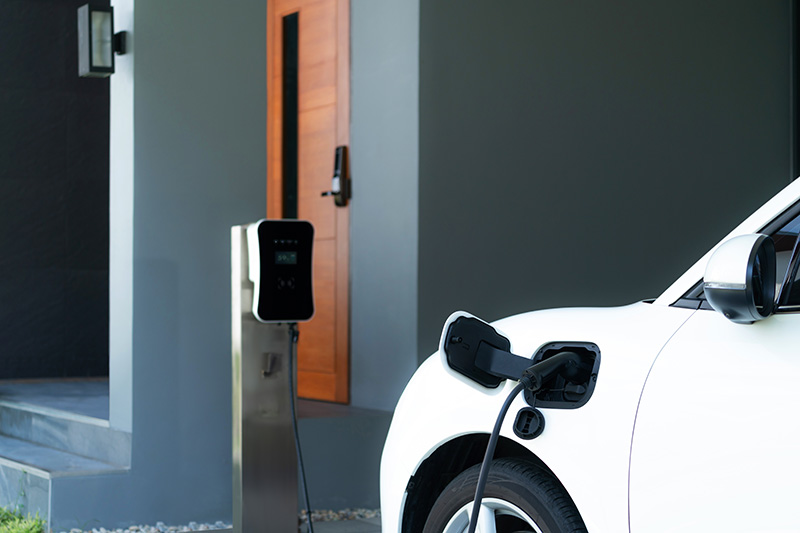
When connected to other smart home systems, a smart EV charger can automatically adjust charging times based on available energy or the current electricity price. This makes better use of the energy generated by your solar panels, reduces charging costs and eases the load on the electricity grid.
9. Smart Plugs
Smart plugs are one of the simplest ways to start automating your home. In addition to remote control, they also allow you to monitor electricity consumption.
They are useful for a variety of everyday tasks, including:
- scheduling household appliances to switch on or off automatically,
- monitoring the electricity consumption of individual devices,
- switching devices off remotely via a mobile app,
- automating decorative or outdoor lighting,
- preventing unnecessary electricity consumption.
These solutions are affordable, easy to use and provide an excellent first step into the world of smart homes.
10. Smart Garden Irrigation
Smart systems are not limited to the inside of your home but can also take care of the surrounding outdoor areas. A smart garden irrigation system takes weather forecasts, rainfall and soil moisture into account, adjusting watering according to actual conditions. As a result, lawns, ornamental plants and other green areas receive the right amount of water regardless of the weather.
This reduces water consumption while ensuring plants receive exactly the amount of moisture they need. Homeowners do not have to worry about watering the garden while on holiday or away from home because the system takes care of everything automatically. In addition to providing greater convenience, smart garden irrigation also supports more sustainable water use and makes maintaining a well-kept outdoor space much easier.
Control All Devices from a Single App
The greatest advantage of a smart home is not the individual devices themselves but how they work together. When heating, cooling, lighting, blinds, ventilation and security systems are integrated into a single system, they can all be controlled through one mobile app.
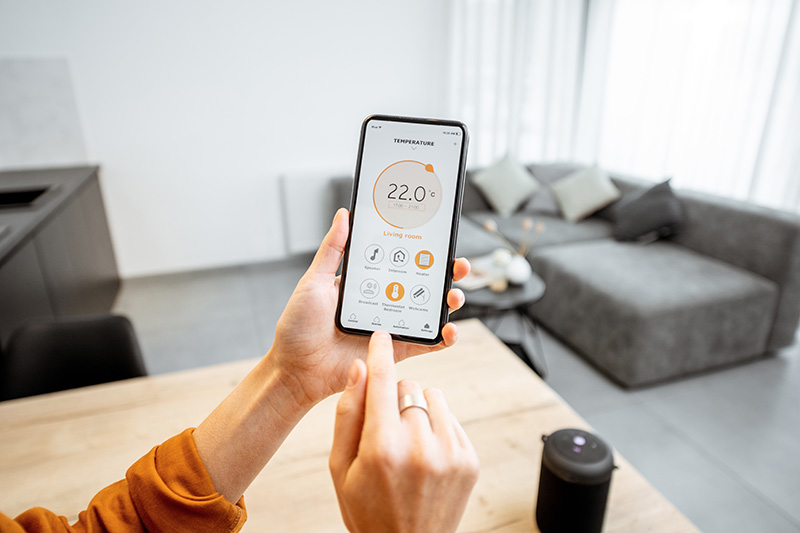
This allows you to create different automation scenarios, such as:
- Leaving Home – switches off the lights, lowers the temperature, closes the blinds and activates the alarm.
- Arriving Home – adjusts the temperature, switches on the lights and creates a comfortable living environment.
- Night Mode – locks the doors, switches off selected lights and lowers the heating level.
- Holiday Mode – simulates occupancy and allows you to monitor your home remotely.
Instead of managing multiple devices separately, the homeowner interacts with one integrated system, where all key home functions are connected and work together seamlessly.
A Smart Home Starts with Good Planning
Although individual smart devices can be added later, the greatest benefits come from planning your smart home before construction begins. This allows all the necessary installations, device locations and system integration to be planned in advance, creating a complete and efficient smart home. A well-planned system operates more reliably, is easier to manage and provides greater flexibility for future upgrades.
At Bauta, we place special emphasis on functionality, energy efficiency and living comfort when designing timber frame homes. If you are considering a smart home, it is worth incorporating smart solutions during the planning stage of your project. Every home and every lifestyle is different, which is why there is no one-size-fits-all solution. We are happy to help you choose the right smart home solutions to match your preferences, needs and lifestyle.